Importance of Bacteria Deadly diseases of the human being, like – Phthisis (Tuberculosis), Pneumonia, Typhoid, Cholera Diphtheria, Dysentery, Tetanus, H6Oping cough, Meningitis etc are caused by different Bacteria.…
Closteridium Bacteria Innumerable Bacteria are surrounding us even inside our body. As a representative of Bacteria, the structure and importance of Closteridium IS described here. Structural features:…
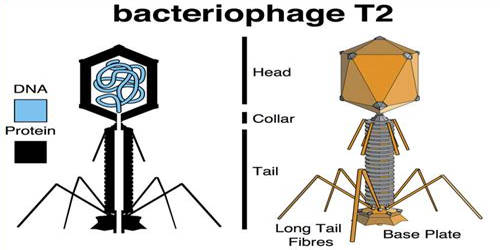
T2 Phage Virus A phage is a virus that attacks bacteria. Phages are among the best known of viruses because of the ease of studying bacterial systems. There…
Principle of Plant Classification The main principle of classification is to arrange all plants of a similar character (one type of character), in a group. Previously the entire living…
Binomial Nomenclature Name of a living thing consisting of two parts – Generic (Genus) Species name (Species) together make a complete name of living things. For example Artocarpus…
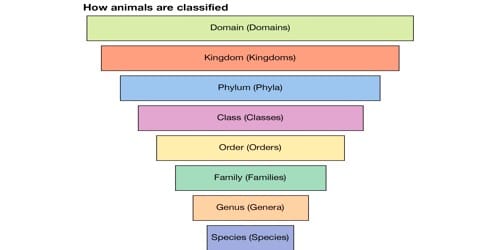
Unit of Classification in Taxa There are certain steps for the classification of the plant kingdom. These steps are called Taxa and are singular Taxon. A taxon is a group…
Purpose of Plant Classification The Creator created the world with various types of diversified plants. There are such small plants, which cannot be seen with the naked eyes, again…
Co-ordination between Organs and Systems to keep the Body Fit The body of man and other higher animals is formed in coordination with some systems. A particular system is again formed of some related organs.…
Organ Systems in Animal Body For performing various physiological functions, such as- digestion, respiration, excretion, reproduction etc. several organs together form the organ systems in the animal body. These are:…
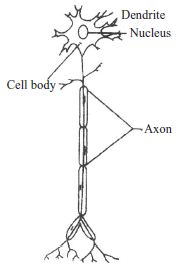
Nerve Tissue Structural Characteristics: The particular type of tissue, which forms the nervous system, is called nerve tissue. Receiving stimulus from the environment, the nerve tissue transmits…